Blog

  • Maximizing Your Income: Best Monetization Strategies for Creators

    As a creator, you’ve honed your craft, built your audience, and are now ready to turn your passion into profit. But how do you maximize your income without sacrificing your creative integrity?
     

    As a creator, you’ve honed your craft, built your audience, and are now ready to turn your passion into profit. But how do you maximize your income without sacrificing your creative integrity? Fear not, for we have gathered a treasure trove of fun and creative monetization strategies that will help you make the most of your talents. Let’s dive into the magical world of money-making for creators!

    1. Patreon Power: Build a Loyal Community

    Patreon is a fantastic platform for creators to earn a steady income by offering exclusive content to their most dedicated fans. Think of it as a VIP club where your supporters get behind-the-scenes access, early releases, and special perks. Offer different membership tiers with unique benefits, like personalized shout-outs, monthly Q&A sessions, or exclusive merchandise. This way, you can cultivate a loyal community while earning a consistent income.

    2. Merch Madness: Create and Sell Merchandise

    Transform your art into tangible products that your fans can buy. From t-shirts and hoodies to mugs and stickers, the possibilities are endless. Use platforms like Teespring, Redbubble, or Printful to design and sell your merchandise without worrying about inventory or shipping. Not only does this boost your income, but it also turns your fans into walking advertisements for your brand.

    3. Sponsored Content: Collaborate with Brands

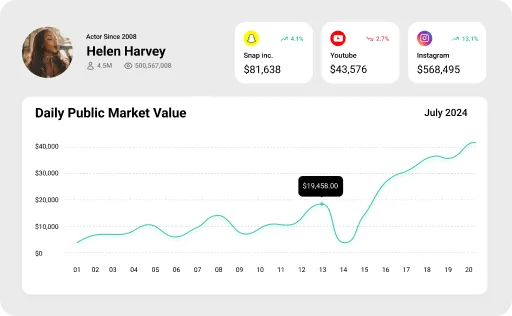
    Brands are always on the lookout for authentic voices to promote their products. Reach out to companies that align with your niche and audience for sponsored content opportunities. Whether it’s a blog post, YouTube video, or Instagram story, make sure the collaboration feels natural and genuine. Sponsored content not only brings in revenue but also adds credibility to your brand. If you don’t know your market value or how much exactly you should be charging brands, you can click here to get started and figure out how today.
    4. Affiliate Alchemy: Earn Through Recommendations

    Affiliate marketing allows you to earn a commission by promoting products or services you love. Join affiliate programs from companies relevant to your niche and share personalized links with your audience. Whenever someone makes a purchase through your link, you earn a percentage of the sale. Platforms like Amazon Associates, ShareASale, and CJ Affiliate offer a wide range of products and services to choose from.

    5. Digital Delights: Sell Digital Products

    Leverage your expertise by creating and selling digital products. E-books, printables, online courses, and downloadable art are just a few examples. Use platforms like Gumroad, Etsy, or Shopify to set up your digital storefront. Digital products are a great way to earn passive income, as you create them once and sell them repeatedly without additional effort.

    6. Ad Revenue: Monetize Your Content

    If you’re a blogger, YouTuber, or podcaster, ad revenue can be a significant source of income. Sign up for ad networks like Google AdSense, Mediavine, or YouTube Partner Program to display ads on your content. While it may take time to build a substantial audience, consistent content creation and engagement will eventually lead to higher ad revenue.

    7. Funding Magic: Fund Your Projects

    For larger projects or creative endeavors, consider using funding platforms like Bump. Creating a Funding through Bump not only provides the funds you need but also helps you gauge interest and build excitement around your project.

    8. Freelance Freedom: Offer Your Services

    Freelancing is a versatile way to monetize your skills. Offer services like graphic design, writing, photography, or consulting to clients. Platforms like Upwork, Fiverr, and Freelancer can help you find gigs that match your expertise. Freelancing allows you to diversify your income while honing your craft and expanding your portfolio.

    9. Membership Magic: Create a Subscription Service

    Turn your content into a subscription-based service. Platforms like Substack for newsletters or Memberful for websites allow you to offer premium content for a monthly fee. This model ensures a steady stream of income while providing your most dedicated fans with valuable, exclusive content.

    10. Licensing and Royalties: Get Paid for Your Work

    If you’ve created something that others want to use—be it music, photos, videos, or art—consider licensing your work. Licensing platforms like Getty Images, Shutterstock, or Artlist connect creators with businesses looking to purchase rights to use their content. Royalties from licensed work can become a significant passive income stream over time.

    Final Thoughts

    Maximizing your income as a creator is all about diversifying your revenue streams and leveraging your unique talents. By combining these monetization strategies, you can create a robust financial foundation that supports your creative journey. Remember, the key is to stay authentic, engage with your audience, and continuously explore new opportunities. Happy creating and even happier earning!

  • 3 Reasons Creators Should Invest in Themselves & Save for the Future!

    As a creator, you pour your heart, time, and energy into your craft. But while you’re busy building your brand, are you also building long-term financial security? The truth is, investing in yourself and saving for the future isn’t just smart—it’s essential for sustaining your creative career.

    Unlike a traditional 9-to-5 job, creators often face inconsistent income, unexpected expenses, and industry shifts that can impact their financial stability. That’s why the most successful creators prioritize personal growth, smart money habits, and future planning.

    In this post, we’ll dive into three powerful reasons why investing in yourself and saving for the future can unlock greater freedom, higher earnings, and long-term success as a creator. Let’s get started! 🚀💰

    1. Financial Stability = Creative Freedom

    When you have savings, you don’t have to take every low-paying gig just to get by. A solid financial foundation allows you to be selective about projects and focus on what truly aligns with your goals.

    2. Investing in Skills = More Income Opportunities.

    The more you learn and grow, the more you can charge! Whether it’s taking courses, upgrading equipment, or hiring a coach, investing in yourself leads to higher-paying opportunities and long-term success.

    3. Future You Will Thank You.

    Being a creator comes with income ups and downs. Having an emergency fund and long-term savings ensures you’re prepared for slow months and can still reach big financial milestones like buying a home, retiring comfortably, or launching new projects.

    Pro Tip: Start small—automate savings and set aside funds for growth! Every dollar you invest in yourself today builds a more secure, thriving future.

    Final Thoughts: Build a Future Where Your Creativity Thrives

    As a creator, your passion fuels your work—but financial security fuels your freedom. By investing in yourself, you’re not just leveling up your skills; you’re unlocking higher earning potential and opening doors to bigger opportunities. And by saving for the future, you’re ensuring that your creative journey is sustainable, not just seasonal.

    The best investment you can make is in YOU. Whether it’s learning a new skill, upgrading your tools, or building a financial safety net, every step you take today sets the foundation for long-term success.

    So, ask yourself: What’s one action you can take right now to invest in your future?

    Are you ready to future-proof your creative journey? Start today with tools like Bump to keep your finances, opportunities, and growth on track. Your decade-long legacy begins now! Visit www.usebump.com to get started!

  • 7 Ways to Make Your Personal Brand Last Beyond 9 Years as a Creator

    Being a creator isn’t just about chasing trends; it’s about building a legacy. In an industry that moves faster than a viral TikTok, staying relevant for nearly a decade (or more!) might seem like an impossible feat. But with the right strategies, your personal brand can go from a fleeting moment to an enduring masterpiece. Here’s how to future-proof your brand and make it last beyond nine years:

    1. Build Authentic Relationships with Your Audience

    Your followers aren’t just numbers; they’re real people who believe in your vision. Foster genuine connections by engaging with them regularly. Reply to comments, host live Q&A sessions, and make your audience feel like they’re part of your journey. Authenticity builds loyalty, and loyal fans will stick with you through every chapter of your career.

    Pro Tip: Share behind-the-scenes moments to humanize your brand and create deeper emotional connections.

    2. Diversify Your Revenue Streams

    Relying on a single income source is risky. Expand your brand by exploring multiple avenues like merchandise, e-books, courses, sponsored partnerships, and exclusive content subscriptions. Platforms like Bump can help you manage these streams and discover hidden income opportunities, ensuring financial stability over time.

    Why it Matters: Diverse income not only boosts your earnings but also gives you the freedom to evolve creatively without financial stress.


    3. Keep Evolving Without Losing Your Core Identity

    Change is inevitable, but staying true to your values and mission is key. Regularly assess your brand to ensure it aligns with your personal growth and audience expectations. Don’t be afraid to experiment with new formats, collaborations, or platforms—just make sure your core message remains consistent.

    Example: Think of creators like MrBeast or Lilly Singh, who’ve successfully adapted their content while staying true to their core personalities.

    4. Invest in Your Skills and Tools

    The creator landscape is ever-evolving, and staying ahead means constantly learning. Take courses, attend workshops, or invest in equipment that elevates your content quality. A better microphone, a sharper camera, or a new editing tool can make a world of difference in keeping your brand professional and competitive.

    Bump Benefit: Use tools like Bump Analytics to budget for upgrades and monitor how investments impact your income.

    5. Collaborate Strategically

    Two heads (or brands) are often better than one. Partnering with other creators or brands can expand your audience and introduce you to new opportunities. Choose collaborators whose values align with yours to maintain brand integrity.

    Fun Idea: Collaborate on projects that cross niches—like a cooking creator teaming up with a fitness influencer to create healthy recipes.

    6. Build a Brand That’s Bigger Than You

    While your personality is a big part of your brand, think about ways to make it sustainable beyond your direct involvement. Create products, services, or communities that align with your values and allow others to engage with your brand independently of your presence.

    Example: Launching a membership platform, merch line, or digital product series tied to your brand’s identity.

    7. Plan for the Long-Term

    Sustainability is all about thinking ahead. Set goals for where you want your brand to be in 3, 5, or 10 years. Plan for changes in your niche and adapt your strategy accordingly. Tools like Bump Creator Bank can help you manage your finances and save for future projects, giving you the freedom to pursue bigger dreams down the line.

    Pro Tip: Think about transitioning into mentorship, speaking engagements, or consulting roles as your career matures.

    Conclusion

    Creating a brand that lasts beyond nine years isn’t just about staying relevant; it’s about being intentional, adaptable, and authentic. By diversifying your income, building genuine connections, and thinking long-term, you’ll not only survive but thrive in the creator economy. Remember, your personal brand is your legacy—make it one that stands the test of time.Are you ready to future-proof your creative journey? Start today with tools like Bump to keep your finances, opportunities, and growth on track. Your decade-long legacy begins now!

  • Is AI a blessing or a curse to the Creator Economy?

    Artificial Intelligence (AI) has emerged as a transformative force, revolutionizing various aspects of our lives. From powering smart assistants in our smartphones to enabling self-driving cars, AI has made remarkable advancements. However, the question remains: Is AI a blessing or a curse? This blog aims to explore the multifaceted nature of AI, delving into its potential benefits and ethical challenges. By examining both perspectives, we can gain a more nuanced understanding of the impact AI has on the creative industry.

    What is AI?

    The term AI stands for Artificial Intelligence. AI is a machine’s ability to perform the cognitive functions we associate with human minds, such as perceiving, reasoning, learning, interacting with an environment, problem solving, and even exercising creativity.

    AI in the creative industry is increasingly being discussed as it has started being used to automate many of the repetitive and time-consuming tasks involved in the creative process. Examples include making new beats or even creating a graphic design. By leveraging AI to complete these tasks, creators are able to focus more on innovative and creative work. This, in turn, speeds up the creative process and helps to reduce additional costs.

    What roles does AI play in its current development in the creative industry?

    Today AI is playing an increasingly significant role in the creative industry, revolutionizing the way artists work and pushing the boundaries of artistic expression. It is being welcomed more in the creative industry as its tools are being developed.

    Traditionally, creativity has been seen as a distinctly human attribute, but AI is challenging that notion by demonstrating its potential as a collaborator, tool, and source of inspiration for artists.

    One of the key contributions of AI to the creative industry is its ability to generate original content. Through techniques like generative adversarial networks (GANs) and deep learning algorithms, AI can create new and compelling artworks, music, poetry, and even screenplays. This opens up new avenues for artists to explore and experiment with novel ideas, styles, and concepts.

    AI also serves as a powerful tool for artists, providing assistance in various aspects of the creative process. For example, AI-based tools can analyze and interpret large volumes of data, allowing artists to gain insights into trends, patterns, and audience preferences. This knowledge can inform artistic decision-making, helping artists create work that resonates with their target audience.

    Erika Goldring/Getty Images; Clarence Davis/NY Daily News Archive via Getty Images; Clarence Davis/NY Daily News Archive via Getty Images

    For example, American music producer ‘Timbaland’ looks to embrace AI technology for music creation. As a leader in music production for decades, having gotten his break in the 1990s working with Aaliyah, Ginuwine, and of course Missy Elliot, Timbaland as an innovator seeks to embrace the new technology and legitimize its use in future creations. The mogul recently made headlines for disclosing his use of the new technology to recreate the voice of the deceased rapper, The Notorious B.I.G. for a track. Timbaland believes that there is the potential to preserve and continue the legacy of deceased artists. He also believes that integrating technology into art and music creation can be an incredible tool for producers.

    What challenges Is AI facing? 

    However, not everyone in the creative industry agrees with this innovation. While AI offers numerous opportunities for artists & creators, it also raises important questions and challenges. The notion of authorship becomes complex when AI algorithms are involved in the creative process. Ethical considerations surrounding ownership, attribution, and the potential for AI-generated content to devalue human creativity must be carefully addressed. A majority of the content is unlicensed, low-grade and raises legal and ethical questions.

    Recently, Drake and The Weeknd caused a debate & an uproar from their respective labels after a track “Heart on My Sleeve,” that claimed to use A.I. versions of their voices caused a major inconvenience. Although it generated popularity when it was first released back in April of this year, becoming a viral phenomenon on social media and racking up millions of plays across TikTok, Spotify, YouTube and more, it was removed within a week by Universal Music Group (UMG). Their labels & other representatives at play condemned the song for the reason of “infringing content created with generative AI”.

    So is AI a blessing or curse?

    Well if not monitored effectively it can be a curse. Complications may occur as this new technology crosses over into the mainstream consciousness of creators and consumers before the necessary legal rules are in place. An example of this was seen back in the early 2000s when Napster was shut down in 2001 after a successful court injunction was granted to the Recording Industry Association of America, on grounds of contributory and vicarious copyright infringement under the US Digital Millennium Copyright Act (DMCA). Despite this, the idea that songs could be downloaded, stored, and shared through networked computers had clearly caught on. AI is fundamentally transforming the creative industry by expanding the possibilities for artists and challenging traditional notions of creativity. By embracing AI as a collaborative tool and exploring its potential, artists can leverage its power to create innovative and captivating works of art. However, it is crucial to navigate the ethical implications and ensure that AI remains a tool that enhances human creativity rather than replacing it.

    Although harmless, innovative fun for most, corporations must continue to monitor A.I. models learning from, and then diluting, their copyrighted material. Currently, courts and lawmakers are only beginning to discuss questions of ownership when it comes to A.I., as copyrights in the creative industry can be complicated as it is. Protected intellectual property can only be created by humans, but what happens when musicians collaborate with machines? Can it be monitored?

    So what role does AI play now? 

    The role of AI in the music and creative industry is still very much gray although hopeful. AI plays a significant role in the creative industry, revolutionizing various aspects of music creation, production, distribution, and consumption.

    Creators like Holly Herndon, who has provided her own A.I. voice as a tool for other musicians — complete with a system for compensation — and created a company, Spawning, to build consent guidelines for A.I., sees that there can be magic in harnessing the future fairly and ethically. Herndon suggests that there is more opportunity in exploring this technology than trying to shut it down.

    For instance, music production and mixing, personalized music recommendations, music analysis and insights and remixing and mashups.

    While art like “Heart on My Sleeve” may quickly become a shifting cultural force for cases within AI, the unfamiliarity will eventually be exhausted. What will stand the test of time are the artistic possibilities when anyone can assume the creative production of someone/something else, even just for a second, as an expressive tool. All in an ethical, legal & non discriminating way of course.

    So in conclusion, the question of whether AI is a blessing or a curse cannot be definitively answered. While AI offers immense potential to revolutionize industries, enhance efficiency, and improve lives, it also presents a host of ethical challenges and risks. The responsibility lies with us to shape the development and deployment of AI in a way that maximizes its benefits while minimizing its drawbacks. Through thoughtful regulation, robust ethical frameworks, and ongoing dialogue between stakeholders, we can harness the power of AI as a force for good, ensuring that it remains a blessing rather than a curse.

  • Protecting Your Financial Data: Security Tips for Creators

    In today’s digital world, creators—whether they are artists, writers, influencers, or YouTubers—rely heavily on online platforms to share their work, engage with their audience, and manage their finances. However, with great connectivity comes great responsibility, especially when it comes to safeguarding your financial data. Here are some fun and creative tips to help you protect your financial information while continuing to create and thrive online.

    1. Password Prodigy: Craft Strong and Unique Passwords

    Think of your passwords as the enchanted keys to your financial kingdom. Use a combination of uppercase and lowercase letters, numbers, and special characters to create a unique password for each of your accounts. For instance, “P@intBrush_2024!” is much stronger than “password123”. You can also use a password manager to keep track of all these complex passwords without losing your mind.

    2. Two-Factor Fiesta: Enable Two-Factor Authentication (2FA)

    Two-factor authentication adds an extra layer of security by requiring not just a password but also a second form of identification, like a text message code or an authentication app. Imagine it as the double lock on your treasure chest. Even if someone gets hold of your password, they still need that second key to access your financial data.

    3. Phishing Phobia: Beware of Scams and Fake Links

    Phishing scams are like the digital world’s evil sorcerers, trying to trick you into giving away your valuable information. Be wary of emails, messages, or websites that ask for your financial details. Always double-check the sender’s email address and look for telltale signs of fake URLs. Remember, a bank or a legitimate financial institution will never ask for your password or personal information via email.

    4. Secure Sorcery: Use Encrypted Connections

    When accessing financial websites or making online transactions, ensure you’re using a secure, encrypted connection. Look for “https://” in the website’s URL and a padlock icon in the address bar. This encryption is like a magical shield that protects your data from prying eyes.

    5. Backup Buddy: Regularly Backup Your Data

    Imagine losing all your precious work and financial records overnight—horrifying, right? Regularly back up your data to an external hard drive or a secure cloud service. This way, even if your device gets compromised, you won’t lose your valuable information.

    6. Update Utopia: Keep Your Software Up to Date

    Outdated software is like a castle with crumbling walls—easy for attackers to breach. Keep your operating system, apps, and antivirus software up to date to protect against the latest threats. Enable automatic updates to ensure you’re always running the latest and most secure versions.

    7. Wi-Fi Wizardry: Secure Your Wireless Network

    An unsecured Wi-Fi network is like leaving your front door wide open. Protect your home network with a strong password and use WPA3 encryption if possible. Avoid using public Wi-Fi for financial transactions unless you’re using a virtual private network (VPN) to encrypt your connection.

    8. Creative Caution: Limit Sharing Personal Information

    As a creator, it’s tempting to share snippets of your life with your audience, but be mindful of oversharing. Avoid posting sensitive information like your home address, phone number, or financial details on social media. Keep your personal and professional lives separate to minimize risks.

    9. Monitor Magic: Regularly Check Your Accounts

    Keep a close eye on your financial accounts for any unusual activity. Set up alerts for transactions so you’re instantly notified of any suspicious behavior. Early detection is key to preventing financial loss.

    10. Educate and Empower: Stay Informed

    Cybersecurity is a constantly evolving field. Stay informed about the latest threats and best practices by following trusted sources and participating in online communities. Knowledge is your most potent weapon in the fight to protect your financial data.

    Final Thoughts

    As a creator, your financial security is just as important as your creative work. By following these tips and staying vigilant, you can protect your financial data and continue to share your talents with the world. Remember, the digital realm can be a wondrous place full of opportunities—just make sure you guard your treasure well!

  • How to Budget Effectively as a Creator: 9 Tips and Tools

    As a creator, you pour your heart and soul into your work, whether it’s painting, writing, filming, or designing. But when it comes to managing finances, the artist’s brain can sometimes feel like it’s battling with numbers and spreadsheets. Fear not! With a dash of creativity and the right tools, budgeting can become as enjoyable as your creative process. Let’s dive into some fun and effective tips to help you budget like a pro while keeping your artistic spirit alive.

    1. Artistic Accounting: Treat Your Budget Like a Masterpiece

    Think of your budget as a blank canvas waiting for your creative touch. Start by sketching out your income sources and expenses. Break down your income from different platforms—freelance gigs, ad revenue, merchandise sales, etc. Then, categorize your expenses: supplies, marketing, subscriptions, and personal expenses. Use colorful markers or digital tools to make your budget visually appealing and easier to understand.

    2. App Aficionado: Use Budgeting Apps Tailored for Creators

    There are plenty of budgeting apps that can help you manage your finances seamlessly. Apps like YNAB (You Need A Budget), Mint, and us here at Bump are great for tracking your income and expenses. For a more creator-focused approach Bump lets you set financial goals and automate savings, perfect for planning your next big project or investment.

    3. Gig Economy Guru: Track Your Variable Income

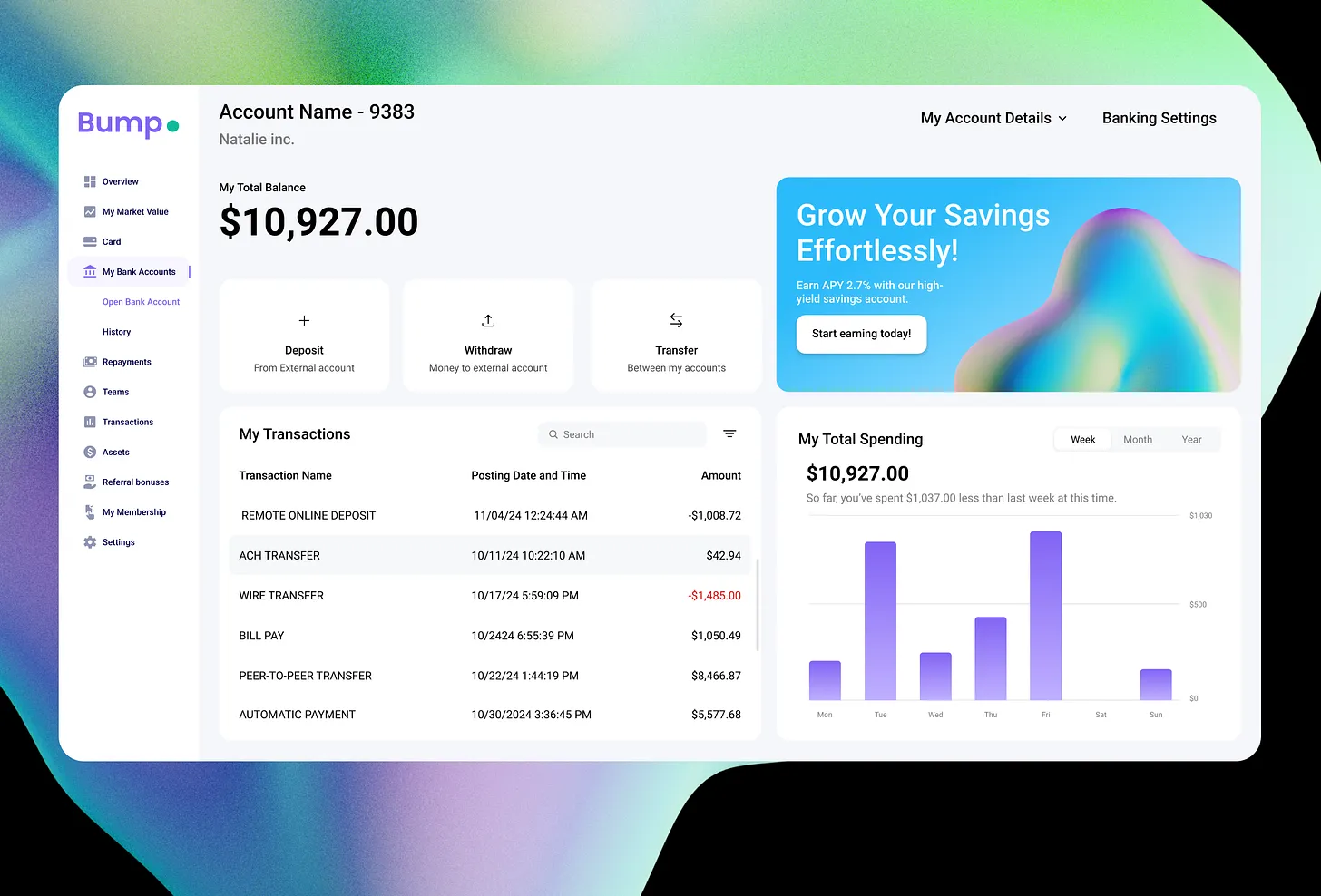
    As a creator, your income might fluctuate month to month. Embrace this unpredictability by maintaining a detailed record of your earnings. You can access this data on your Bump dashboard to log each payment you receive. This way, you can identify patterns and plan for months with lower income, ensuring you’re never caught off guard.

    4. Expense Enchanter: Prioritize Your Spending

    Not all expenses are created equal. Prioritize spending on items that directly impact your creative work and income. Invest in high-quality supplies, software, and marketing tools that will help you grow your brand. Cut back on unnecessary expenses, like that fifth subscription box you rarely use. Think of it as decluttering your financial palette to focus on the essentials.

    5. Goal Getter: Set Clear Financial Goals

    Visualize your financial goals and break them down into achievable steps. Whether it’s saving for a new camera, funding a solo exhibition, or building an emergency fund, having clear goals will motivate you to stick to your budget. Once these goals are set in place, you can use your marketplace value data to help get approved by us and be eligible for funding.

    6. Income Innovator: Diversify Your Revenue Streams

    Relying on a single income source can be risky. Explore different revenue streams to stabilize your finances. Sell digital products, offer workshops, create a Patreon page, or collaborate with brands for sponsored content. Diversifying your income not only boosts your earnings but also provides a safety net during lean periods.

    7. Networking Ninja: Connect with Other Creators

    Join creator communities online or in-person to share tips and advice on managing finances. Platforms like Reddit, Discord, and Facebook Groups have dedicated spaces where creators discuss their budgeting strategies and recommend tools. Networking can lead to valuable insights and even collaboration opportunities that can enhance your financial stability.

    8. Tax Time Tamer: Stay Organized for Tax Season

    Tax season can be daunting, but staying organized throughout the year can make it manageable. Keep all your receipts, invoices, and financial records in one place. Use apps like QuickBooks or us here at Bump to track your expenses and generate reports. Consider consulting a tax professional who understands the unique needs of creators to ensure you’re maximizing your deductions and staying compliant.

    9. Mindful Money: Practice Financial Self-Care

    Just like your creative practice, budgeting requires consistency and care. Schedule regular check-ins with your budget to review your progress and make adjustments as needed. Celebrate your financial wins, no matter how small, and be kind to yourself if you encounter setbacks. Remember, budgeting is a journey, not a destination.

    Final Thoughts

    Budgeting doesn’t have to be a mundane task. By approaching it with creativity and the right tools, you can turn it into a rewarding part of your life as a creator. With a well-managed budget, you’ll have the financial freedom to explore new projects, invest in your growth, and continue to inspire the world with your art. Happy budgeting!

  • Interested in Working with Brands? Here Are 5 Things You Need to Know to Get You Started

    Collaborating with brands can be a game-changer for your career, whether you’re an influencer, content creator, or entrepreneur. However, diving into brand partnerships can be daunting if you’re not well-prepared. Here are five essential tips to help you navigate the process and secure successful collaborations.

    1. Understand Your Personal Brand

    Before reaching out to potential brand partners, you need to have a clear understanding of your personal brand. Your personal brand encompasses your unique style, voice, and the value you bring to your audience. Ask yourself:

    • What are my core values and message?
    • Who is my target audience?
    • What type of content do I create?

    Having a well-defined personal brand makes it easier to identify and approach companies that align with your values and content style. Brands look for influencers who can authentically promote their products to a relevant audience.

    2. Build a Strong Online Presence

    Brands want to partner with influencers and creators who have a significant online presence. This doesn’t necessarily mean you need millions of followers, but you should have an engaged and loyal audience. Focus on:

    • Consistently posting high-quality content
    • Engaging with your followers through comments, messages, and live sessions
    • Leveraging multiple platforms (e.g., Instagram, YouTube, TikTok, blog)

    Analytics play a crucial role here. Brands will look at your engagement rates, audience demographics, and reach. Tools like Google Analytics, Instagram Insights, and YouTube Analytics can help you understand your audience better and present compelling data to potential partners.

    3. Network and Build Relationships

    Networking is key in the world of brand partnerships. Start by building relationships within your industry. Attend events, webinars, and join online communities where you can connect with brand representatives and other influencers. Here are some tips:

    • Engage with brands on social media by commenting on their posts and sharing their content.
    • Reach out to other creators and collaborate on projects.
    • Don’t be afraid to pitch yourself to brands directly, but ensure your pitch is personalized and demonstrates how you can add value.

    Remember, networking is about building genuine relationships. Be authentic and professional in your interactions.

    4. Craft a Compelling Media Kit

    A media kit is your professional portfolio. It should include all the essential information brands need to know about you and your work. A well-designed media kit typically includes:

    • An introduction about you and your personal brand
    • Audience demographics and analytics
    • Examples of past collaborations and case studies
    • Your social media handles and follower counts
    • Contact information

    Make your media kit visually appealing and easy to navigate. Canva is a great tool for designing professional-looking media kits without requiring advanced design skills.

    5. Know Your Worth and Negotiate Fairly

    Understanding your value is crucial when negotiating with brands. Your rate should reflect the quality and reach of your content. Consider these factors when determining your pricing:

    • Your follower count and engagement rate
    • The type of content you’re creating (e.g., posts, stories, videos)
    • The exclusivity and usage rights requested by the brand
    • The length of the campaign

    It’s important to negotiate fairly but confidently. Be prepared to discuss your rates and justify them with data and past success stories. Remember, a partnership should be mutually beneficial, and it’s okay to walk away from offers that don’t align with your worth. You can actually do this right now by visiting Bump and identifying your market value!

    In Conclusion…

    Working with brands can elevate your career and open up new opportunities. By understanding your personal brand, building a strong online presence, networking, creating a compelling media kit, and knowing your worth, you’ll be well on your way to securing successful brand collaborations. Stay authentic, professional, and proactive, and you’ll find the right brand partnerships to help you grow and thrive.

  • Exploring Open Banking & the Future of Payments at Fintech Meetup!

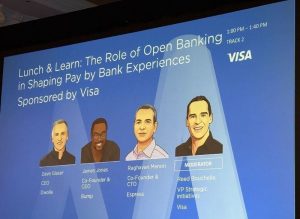
    Dove into open #banking & the future of payments at this year’s Fintech Meetup!

    In my convo with Dave Glaser & Raghavan Menon, moderated by Reed Bouchelle, we explored what it means to optimize pay-by-bank solutions to meet modern demand & create a frictionless #FutureOfFinance.

  • Amsterdam Dance Event


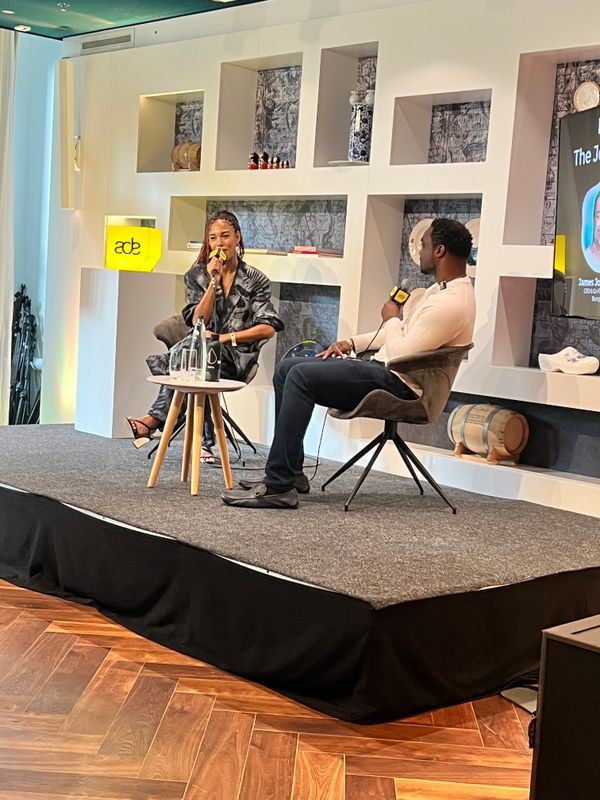
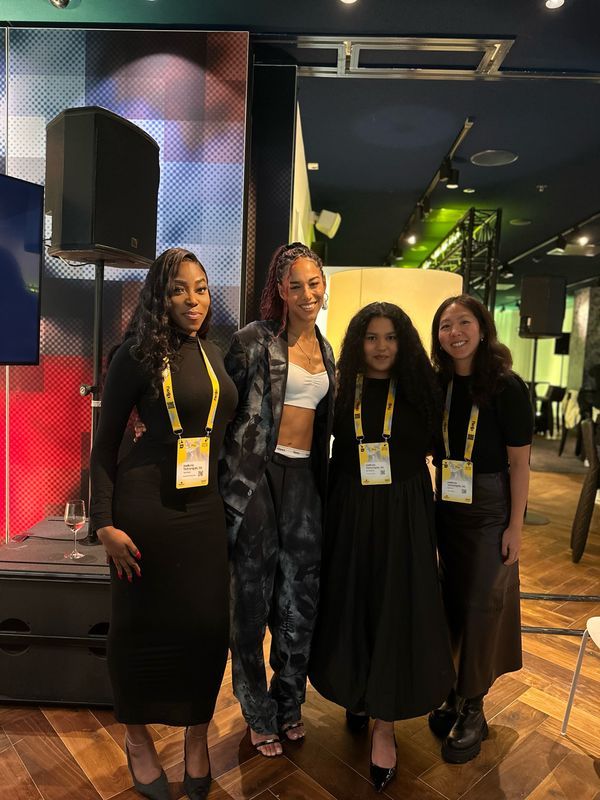
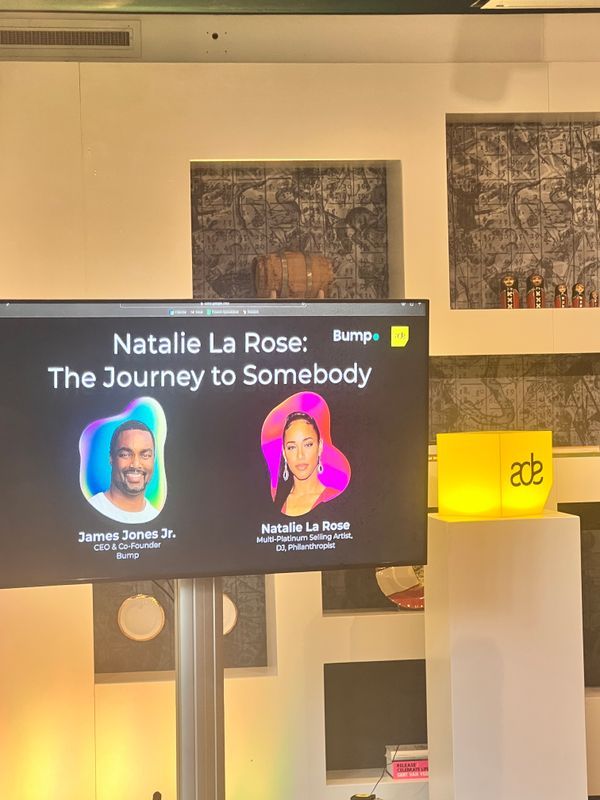
    ADE – Amsterdam Dance Event – was an awesome opportunity to connect with Bump customers, meet others in the #CreatorEconomy space, and support Natalie La Rose, one of our Bump users, in her homecoming. Looking forward to next year already!


  • Breaking Down VC & the Creator Economy at #LATechWeek!


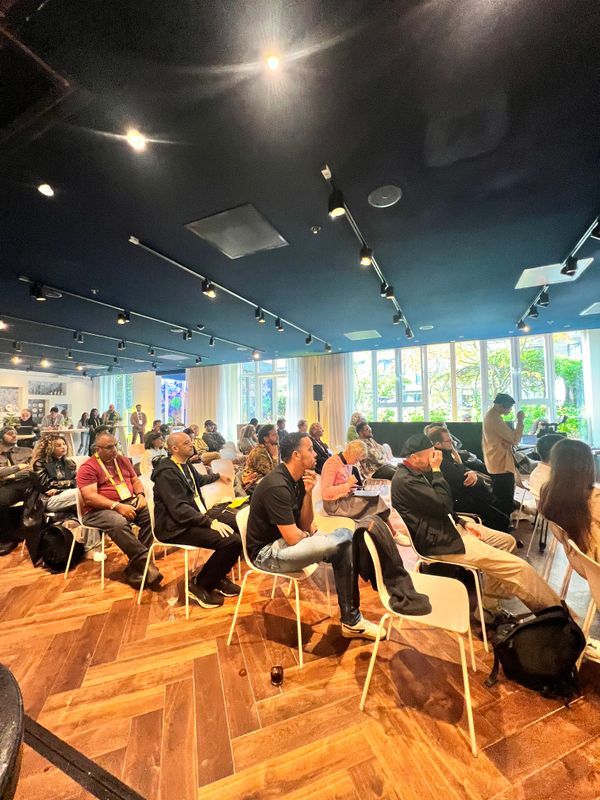
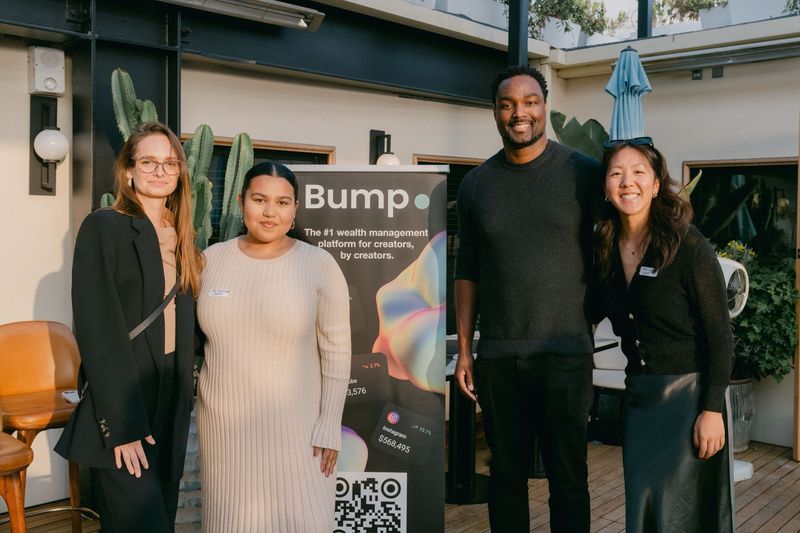
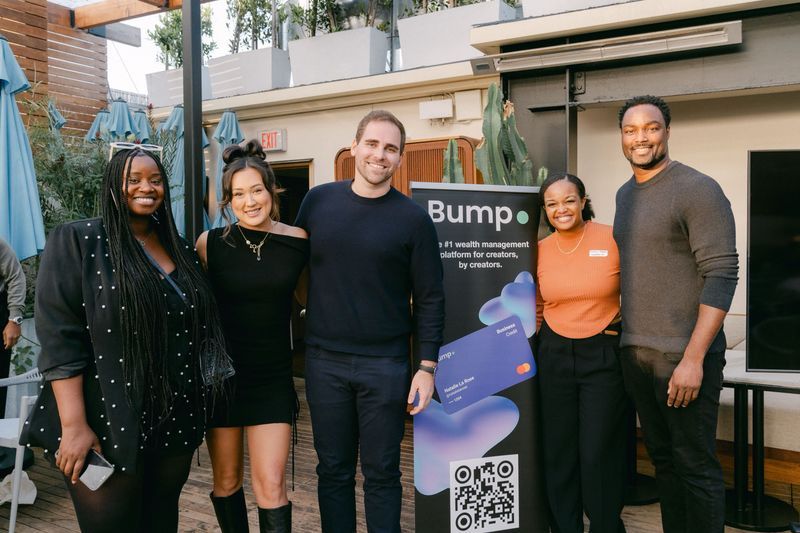
    #LATechWeek was a blast! Thank you to everyone who came out to @BumpGlobal‘s session on how #VC intersects with the #CreatorEconomy. Understanding what investors are looking for is the first step towards securing reliable first-round funding.